
A major home remodeling project can make your living space more comfortable, attractive, and functional. However, the work can also bring noise, dust, temporary changes to your daily routine, and unexpected decisions. Preparing your home before the first day of construction can make the entire process easier.
If you’re comparing Remodeling Contractors in Suwanee, GA, preparation should be part of your planning from the beginning. Whether you’re updating your kitchen, renovating a bathroom, replacing flooring, or remodeling several rooms, knowing what to expect can help prevent unnecessary delays and protect your belongings.
Here are seven practical steps to prepare your home before a major remodeling project begins.
1. What Should You Confirm with Remodeling Contractors in Suwanee, GA?
Before work starts, confirm the complete project scope, estimated budget, materials, timeline, and responsibilities with your remodeling contractor. Having these details in writing helps everyone understand what the project includes and reduces confusion once construction begins.
A major renovation often involves several connected tasks. For example, a kitchen remodel might include removing old cabinets, updating countertops, changing flooring, adjusting plumbing, and installing new fixtures. Each task needs to be planned in the correct order.
Before signing the agreement, make sure you discuss:
- Project scope: Which rooms, surfaces, and features will be renovated?
- Materials: What flooring, cabinets, tiles, countertops, and fixtures will be used?
- Budget: What is included in the estimate, and what could create additional costs?
- Timeline: When will the work begin, and what are the expected completion stages?
- Responsibilities: Who handles permits, material deliveries, cleanup, and waste removal?
- Changes: How will additional work or design changes be approved and priced?
For example, if you’re planning a kitchen and flooring renovation together, decide whether the flooring will be installed before or after the cabinets. The correct sequence depends on the flooring system and installation method.
A clear written plan gives you and your contractor a shared understanding before demolition begins.
2. Check Building Permits, HOA Rules, and Other Requirements
Not every remodeling project requires a building permit, but certain changes to your home may need approval before construction starts. Check the local requirements early instead of assuming your project is exempt.
For homeowners in Suwanee, the correct permitting authority depends on the property’s location. Homes within Suwanee city limits follow the city’s building permit requirements, while properties in unincorporated Gwinnett County may fall under county permitting.
The City of Suwanee requires permits for certain work involving structural changes, additions, and electrical, plumbing, or mechanical systems. Minor repairs, cabinetry, and painting generally do not require the same permits. You can review the City of Suwanee building permits and inspections page for details.
For properties in unincorporated areas, check Gwinnett County’s building and permitting services.
Also consider these requirements:
- Homeowners association (HOA) renovation rules.
- Architectural approval for exterior changes.
- Dumpster placement and temporary parking permissions.
- Work-hour restrictions in your neighborhood.
- Special requirements for major structural modifications.
Ask your contractor which permits and approvals apply and who will obtain them. Getting these details settled early can help avoid construction delays or compliance problems.
3. Clear the Work Areas and Protect Your Belongings
One of the most important ways to prepare for a renovation is to remove personal belongings from the rooms where contractors will be working. Clearing the space gives workers better access and reduces the risk of accidental damage.
Start by removing furniture, decorative items, electronics, wall art, and anything else that could be affected by dust or construction activity.
For a kitchen renovation, empty your cabinets, drawers, pantry, and countertops. For a bathroom project, remove toiletries, towels, personal care products, and storage items. If flooring work is planned, move furniture and rugs out of the affected rooms.
Here are a few practical preparation tips:
- Pack small belongings in clearly labeled boxes.
- Move valuable electronics and important documents to a safe location.
- Store fragile decorations away from construction areas.
- Remove curtains or window treatments when necessary.
- Keep sentimental items and valuables somewhere contractors do not need to access.
If you cannot move everything into another room, consider renting a temporary storage unit. Just make sure the storage arrangement does not block access to areas that workers need.
A little organization before demolition can save considerable time and prevent avoidable problems during construction.

4. Prepare for Construction Dust, Noise, and Safety
Even well-organized remodeling projects can produce dust, noise, and construction debris. Preparing your home for these conditions helps protect your family, pets, and belongings while work is underway.
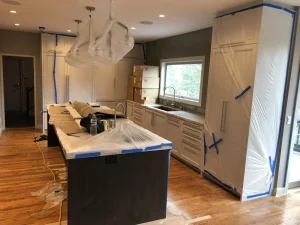
Ask your contractor how they will separate the work area from the rest of your home. Depending on the project, this may involve temporary dust barriers, floor protection, covered furniture, and measures to limit dust traveling through shared spaces.
You should also discuss how the HVAC system will be protected during dusty work. Dust can travel through open areas and ventilation pathways, so ask whether vents and nearby returns need temporary protection and when filters should be checked or replaced.
Safety deserves the same attention as cleanliness.
- Keep children away from tools and construction materials.
- Arrange a separate, secure space for pets.
- Keep walkways and emergency exits clear.
- Never allow children to enter unfinished work areas.
- Keep medications and hazardous household products out of reach.
One additional consideration is the age of your home. Renovations that disturb painted surfaces in homes built before 1978 may create exposure to lead-based paint dust. The EPA’s Lead Renovation, Repair and Painting Program explains the lead-safe requirements for applicable renovation work.
Discuss appropriate dust-control and safety measures before the project begins rather than waiting until construction is underway.
5. Make Temporary Living Arrangements Before Construction Starts
Depending on which rooms you’re renovating, you may need to make temporary changes to your daily routine. Planning these arrangements before construction begins can prevent unnecessary stress.
For example, a kitchen renovation can make cooking difficult for several days or weeks. A bathroom renovation may temporarily limit access to a shower, toilet, or sink.
Consider setting up a temporary living area with:
- A microwave, small refrigerator, and basic cooking supplies.
- Disposable plates or easy-to-clean dishes.
- Drinking water and frequently used kitchen items.
- Essential toiletries and bathroom supplies.
- A separate area for working, studying, or relaxing.
If you’re remodeling multiple rooms or changing essential plumbing and electrical systems, ask your contractor when those utilities may be unavailable.
You may also need to consider temporary accommodation. Moving out is not necessary for every renovation, but it can make sense when the work affects most of the home, creates safety concerns, or leaves you without essential facilities.
The key is to understand how construction will affect your household before choosing your arrangements.
6. Plan Material Deliveries, Contractor Access, and Parking
A remodeling project requires more than workers and tools. Materials, equipment, waste containers, and delivery vehicles also need space and access.
Before the first workday, discuss where contractors will park, which entrance they should use, and where materials will be stored. This is especially important if you live in a neighborhood with limited street parking or HOA restrictions.
You should also check that delivery routes are clear and that large items such as cabinets, countertops, appliances, and flooring can reach the required rooms.
A few things to arrange include:
- Confirming the expected delivery dates for major materials.
- Providing access to the appropriate entrances.
- Clearing driveways and designated work areas.
- Agreeing on how keys, codes, and access will be managed.
- Informing neighbors when the project may create additional noise or parking activity.
Material availability can affect a remodeling schedule. If custom cabinets, tile, or countertops have longer lead times, confirm their delivery dates before demolition is scheduled.
Planning these logistics with your contractor can help reduce avoidable interruptions once the project begins.
7. Document Your Home and Establish Clear Communication
Before construction begins, take photographs of the rooms and surrounding areas. This creates a useful record of the home’s condition before workers start removing materials or making changes.
Photograph existing flooring, walls, doors, countertops, fixtures, and nearby areas that will remain untouched. Also document any existing cracks, scratches, or damage so everyone has a clear understanding of the starting condition.
Next, establish a simple communication process with your contractor.
Decide who will be your main point of contact, how progress updates will be shared, and how questions or unexpected issues will be handled.
It is also worth agreeing on a few important details:
- When you will receive project updates.
- Who approves material substitutions or design changes.
- How additional costs will be communicated.
- When inspections or important project milestones will happen.
- How the final walkthrough and remaining corrections will be handled.
Keep important decisions in writing. A change that affects materials, cost, or the project timeline should be discussed and approved before the additional work proceeds.
This approach helps prevent misunderstandings and makes it easier to keep the project organized from start to finish.
Frequently Asked Questions About Preparing for Home Remodeling in Suwanee
How early should I prepare my home before remodeling begins?
Start preparing as soon as your project scope and timeline are reasonably clear. Ideally, allow several weeks for packing belongings, arranging storage, confirming permits, and organizing temporary living arrangements. Custom materials and HOA approvals may require additional planning time, so do not leave everything until the week construction begins.
Do I need a building permit for home remodeling in Suwanee, GA?
It depends on the work and the property’s jurisdiction. Structural alterations, additions, and certain plumbing, electrical, or HVAC changes may require permits. Cosmetic work and minor updates may be exempt. Check with the City of Suwanee or Gwinnett County, depending on where your property is located, before construction begins.
Should I move out during a major home renovation?
Not always. Many homeowners remain in their homes during smaller projects. However, if your kitchen, bathrooms, or several living areas will be unavailable, temporary accommodation may be more comfortable. Discuss dust, noise, utility interruptions, and safe access with your contractor before deciding.
What should I remove before remodeling contractors arrive?
Remove furniture, electronics, decorations, personal documents, valuables, and other belongings from the affected rooms. Empty kitchen cabinets, bathroom storage, and closets when necessary. Also move fragile items from nearby areas because construction dust and movement can affect rooms outside the immediate work zone.
How can I prevent delays during a home remodeling project?
Finalize design choices, material selections, and the written project scope before construction starts. Confirm delivery dates, permit requirements, and contractor responsibilities. Avoid making unnecessary changes once work is underway, and make sure any approved changes are documented with their cost and schedule impact.
Start Your Home Remodeling Project With a Better Plan
A successful remodeling project starts long before the first wall is opened or the old flooring is removed. Planning the scope, checking permit requirements, protecting your belongings, and preparing your family for temporary changes can make the entire renovation experience easier.
At Alpharetta Remodel, we help homeowners plan home improvement projects, from kitchen and bathroom upgrades to flooring and larger home renovations. Taking the time to understand your needs and prepare your home is an important step toward achieving the results you want.
Planning a major renovation in Suwanee? Contact Alpharetta Remodel to discuss your project and take the first step toward transforming your home.

