
Choosing new hardwood floors is an important decision for any homeowner. Both solid and engineered hardwood offer the natural beauty of real wood. However, they differ in construction, moisture resistance, installation requirements, and long-term maintenance.
If you’re researching wood flooring installation in Suwanee, GA, understanding these differences can help you choose the right flooring for your home. The best option depends on your subfloor, the rooms you want to update, your budget, and how you plan to use the space.
At Alpharetta Floors, we help homeowners explore hardwood and engineered flooring options based on their homes and installation requirements. In this guide, we’ll explain how both flooring types work and which one may be the better fit for your project.
What Is the Difference Between Solid and Engineered Hardwood?
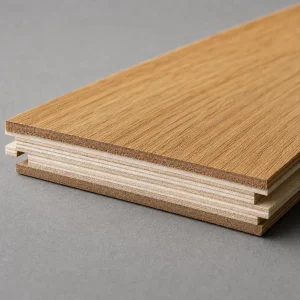
The main difference is how each flooring product is constructed. Solid hardwood consists of one continuous piece of natural wood, while engineered hardwood features a genuine wood surface attached to multiple layers of supporting material.
Both options provide the appearance and feel of real wood. However, their different construction methods affect how they respond to moisture, where they can be installed, and how many times they can be refinished.
Here’s a quick comparison:
| Feature | Solid Hardwood | Engineered Hardwood |
|---|---|---|
| Construction | One solid piece of wood | Multiple layers with a real wood surface |
| Appearance | Natural wood grain | Natural wood grain |
| Stability | More affected by moisture changes | Generally more dimensionally stable |
| Installation | Commonly nail-down over wood subfloors | Nail-down, glue-down, or floating, depending on product |
| Refinishing | Can usually be refinished multiple times | Depends on the thickness of the real wood wear layer |
| Best applications | Above-ground living areas | Above-ground rooms, suitable slabs, and some below-grade spaces |
| Maintenance | Regular hardwood floor care | Similar care requirements, depending on finish |
The important thing to remember is that neither option is automatically better. Instead, your home’s structure and installation conditions should guide the decision.
1. What Is Solid Hardwood Flooring?
Solid hardwood flooring is made from a single piece of natural wood, extending from the surface to the bottom of each board. Popular choices include oak, maple, hickory, and walnut.
One of its biggest advantages is its long-term refinishing potential. Because the board consists of solid wood, it can generally be sanded and refinished several times throughout its lifespan, depending on its thickness and condition.
Benefits of solid hardwood
- Long-term durability: Quality solid hardwood can last for decades with proper care.
- Refinishing potential: Scratches, surface wear, and changing style preferences can often be addressed through sanding and refinishing.
- Natural appearance: Every board has its own grain patterns and natural variations.
- Timeless design: Solid hardwood complements traditional, transitional, and modern interiors.
- Long-term value: Its ability to be renewed makes it an appealing option for homeowners planning to stay in their homes.
Things to consider
Solid hardwood responds more noticeably to changes in moisture and indoor humidity. Therefore, it needs proper acclimation, suitable site conditions, and the correct installation method.
It is commonly installed above ground over an appropriate wood subfloor using a nail-down method. In contrast, it is generally not the first choice for below-grade spaces or direct installation over concrete slabs.
For homeowners who want traditional wood flooring and expect to maintain it for many years, solid hardwood can be an excellent investment.
2. What Is Engineered Hardwood Flooring?
Engineered hardwood also uses real wood, but its construction is different. It features a top layer of natural hardwood bonded to multiple layers of plywood or other supporting materials.
These layers are arranged to improve dimensional stability. As a result, engineered hardwood generally responds better to seasonal moisture changes than solid hardwood.
Benefits of engineered hardwood
- Greater dimensional stability: Its layered construction helps reduce expansion and contraction.
- More installation options: Depending on the product, it can be installed over approved concrete slabs and other suitable subfloors.
- Real wood appearance: The top layer provides the natural grain and character of hardwood.
- Multiple design options: It comes in different wood species, colors, finishes, and plank widths.
- Suitable for more locations: Certain products are approved for installations where traditional solid hardwood may not be appropriate.
Things to consider
Not all engineered hardwood products offer the same refinishing potential. The thickness of the real wood wear layer determines how much sanding and refinishing may be possible.
Additionally, quality varies between products. Check the manufacturer’s specifications, core construction, finish, and installation requirements before purchasing.
For homeowners who want real wood flooring with additional installation flexibility, engineered hardwood is worth considering.
3. Which Flooring Is Better for Wood Flooring Installation in Suwanee, GA?
For homeowners planning wood flooring installation in Suwanee, GA, the most important consideration is often the condition of the subfloor and the home’s moisture environment.
Georgia experiences seasonal humidity changes, which can affect natural wood flooring. Consequently, proper moisture testing and choosing the correct installation method are especially important.
Solid hardwood is often a suitable choice for above-grade rooms with appropriate wood subfloors. Meanwhile, engineered hardwood may offer more flexibility for homes with concrete slabs or basement spaces, provided the product is approved for those conditions.
Before making your decision, consider these situations:
- Living rooms and bedrooms: Both solid and engineered hardwood can work well when the subfloor and installation conditions are suitable.
- Homes with plywood subfloors: Solid hardwood is a popular option, particularly when you want long-term refinishing flexibility.
- Concrete slab foundations: Engineered hardwood is often the more practical wood-flooring choice because of its greater dimensional stability and available installation methods.
- Basements: Many engineered hardwood products are suitable for certain below-grade installations. However, always check manufacturer specifications and moisture requirements.
The best approach is to have a flooring professional inspect the subfloor and measure moisture levels before recommending a material.
4. How Much Does Solid vs. Engineered Hardwood Cost?
The price depends on the wood species, product quality, plank width, finish, and installation requirements. Solid hardwood can cost more when you choose premium species or site-finished wide planks. However, engineered hardwood also varies widely depending on its surface layer and core construction.
Alpharetta Floors’ published 2026 pricing guide lists these general Atlanta-market installation ranges:
| Flooring Option | Published Installed Range |
|---|---|
| Solid red oak | $6–$13 per sq. ft. |
| Solid white oak | $8–$15 per sq. ft. |
| Engineered hardwood | $6–$12 per sq. ft. (typical local range) |
These are published business pricing references, not guaranteed prices for every Suwanee project. Actual costs depend on the selected product and the work required.
Other expenses can include:
- Removing and disposing of existing flooring.
- Subfloor repairs and leveling.
- Moisture testing and preparation.
- Underlayment or adhesive requirements.
- Floor transitions, moldings, and stair connections.
- Additional labor for complex layouts.
You can review the 2026 flooring installation cost guide for a more detailed breakdown.
Money-saving tip: Compare written estimates based on the same flooring product, preparation work, and installation method. A cheaper material price does not always mean a lower total project cost.
5. Can Solid and Engineered Hardwood Both Be Refinished?
Yes, both types can potentially be refinished, but their capabilities are different.
Solid hardwood usually offers greater refinishing flexibility because the entire board consists of natural wood. Depending on its thickness and remaining wear surface, it can be sanded multiple times over its lifespan.
Engineered hardwood can also be refinished when the natural wood wear layer is thick enough. However, some products have limited refinishing potential, while others may not be suitable for sanding at all.
Before purchasing engineered hardwood, ask the manufacturer about:
- Natural wood wear-layer thickness.
- Recommended sanding limits.
- Approved refinishing methods.
- Warranty restrictions.
- Expected maintenance requirements.
If you already have hardwood floors, replacement may not even be necessary. Professional sanding and refinishing can often restore the appearance of worn surfaces without removing the entire floor.
Learn more about hardwood floor sanding and refinishing.
6. Why Does Professional Hardwood Floor Installation Matter?
Even high-quality flooring can develop problems when installers overlook subfloor preparation, moisture levels, or the correct fastening method.
For example, excessive moisture can cause wood boards to swell, cup, or develop gaps. Similarly, uneven subfloors can lead to movement, noise, and an uncomfortable walking surface.
A professional installation process should include:
- Subfloor inspection: Check the existing surface for damage, uneven areas, and structural concerns.
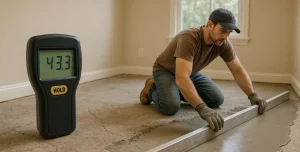
- Moisture testing: Take appropriate readings from wood subfloors or concrete slabs.
- Material selection: Confirm that the selected hardwood suits the room and installation conditions.
- Acclimation: Follow the manufacturer’s recommendations for preparing flooring before installation.
- Installation method: Choose nail-down, glue-down, or floating installation according to the product and subfloor.
- Final inspection: Check transitions, edges, board alignment, and the finished surface.
At Alpharetta Floors, the flooring installation process includes moisture testing, subfloor preparation, and selecting the appropriate installation method for the project.
You can explore the company’s hardwood and engineered flooring installation services to learn more.
Frequently Asked Questions About Solid and Engineered Hardwood
Is solid hardwood better than engineered hardwood?
Neither is better for every home. Solid hardwood offers excellent long-term refinishing potential, while engineered hardwood provides greater dimensional stability and more installation flexibility. The right choice depends on your subfloor, moisture conditions, budget, and long-term plans for the property.
Does engineered hardwood look like real wood?
Yes. Engineered hardwood has a genuine wood surface, so it displays natural grain patterns, textures, and variations. Once installed, quality engineered hardwood can look very similar to solid hardwood. The difference is mainly in the internal construction rather than the visible surface.
Can engineered hardwood be installed over concrete?
Yes, many engineered hardwood products are approved for concrete installations. Depending on the product, installers may use glue-down or floating methods. However, proper moisture testing and manufacturer approval are essential before installation begins.
Which hardwood flooring lasts longer?
Both types can last for many years with proper installation and maintenance. Solid hardwood has greater potential for repeated refinishing, while engineered hardwood longevity depends heavily on its wear-layer thickness, core quality, and care. Product specifications matter more than the category alone.
Is solid hardwood suitable for Georgia homes?
Yes, solid hardwood can work very well in Georgia homes when the subfloor, moisture levels, and indoor conditions are suitable. However, proper acclimation and moisture management are important because natural wood reacts to changes in humidity.
How do I choose between solid and engineered hardwood?
Start by checking your subfloor and the room where you plan to install flooring. Next, compare durability, refinishing potential, material prices, and installation requirements. A flooring professional can inspect your home and help identify which option offers the best long-term fit.
Upgrade Your Home with the Right Hardwood Flooring
Both solid and engineered hardwood can transform your home’s appearance and create a warm, natural interior. Solid hardwood is especially appealing when you want long-term refinishing flexibility, while engineered hardwood offers additional stability and installation options for different home structures.
Ultimately, your subfloor, moisture conditions, budget, and lifestyle should guide your choice.
Alpharetta Floors helps North Atlanta homeowners explore hardwood flooring options, subfloor preparation, and professional installation. If you’re planning a flooring project in Suwanee, contact the team to confirm service availability and discuss your requirements.
Call Alpharetta Floors at 470-352-1156 or request a free flooring consultation to get started.

